Naltrexone is a safe, non-addictive medication that can make it easier to cut back or stop drinking. It works by blocking the “feel-good” effects that alcohol has on the brain. This means that when you drink, you don’t get the same buzz or reward, so alcohol becomes less appealing over time.
For many people, this helps reduce cravings and makes it easier to stay in control. Naltrexone doesn’t cause withdrawal, it doesn’t make you sick even if you drink alcohol while taking it —it’s designed to support you wherever you are in your recovery journey.
Acamprosate is a safe, non-addictive medication that helps the brain heal after stopping alcohol. Drinking for a long time changes the brain’s balance, which can cause restlessness, trouble sleeping, and strong urges to drink when you try to quit.
Acamprosate works by restoring this balance, which reduces cravings and makes it easier to stay alcohol-free. It doesn’t make you sick if you drink while taking this medication. It works to help you reduce or completely stop drinking alcohol.
Right now, there isn’t one single “go-to” medication for stimulant use disorder the way there is for alcohol or opioids. But research has shown that certain medicines can help reduce cravings, ease withdrawal, and support recovery.
These medicines work in different ways:
- Some help calm the brain so you feel less anxious or restless after stopping stimulants.
- Some reduce cravings and make it easier to avoid relapse.
- Some support sleep, mood, and focus, which can improve daily life and make recovery more manageable.
At our practice, we use evidence-based approaches, which may include medicines such as bupropion, topiramate, or others, depending on your needs. The goal is always the same: to help you feel more stable, reduce cravings, and give you the best chance at recovery.
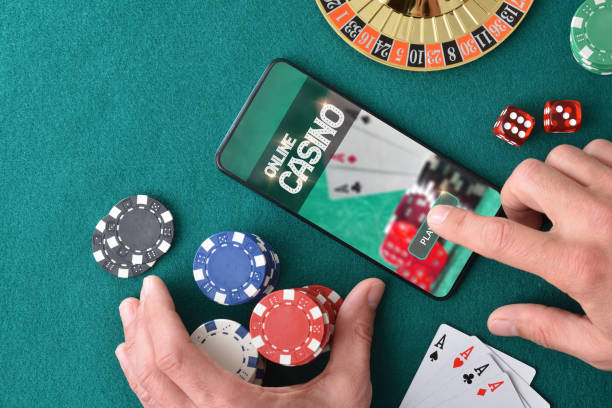
Behavioral addictions—such as gambling, gaming, or compulsive internet use—can effect the brain in ways similar to drugs or alcohol. The brain’s “reward system” gets overstimulated, making it hard to cut back even when the behavior is causing problems.
There isn’t one single medication that works for everyone, but certain medicines can help reduce cravings, improve self-control, and balance mood. These may include medicines that calm urges, treat anxiety or depression, or reduce compulsive behaviors.
At our practice, we create a personalized plan that may include medication support, resources, and referrals. The goal is to make the urges less intense, so you have more space to focus on building a healthier routine and lifestyle.